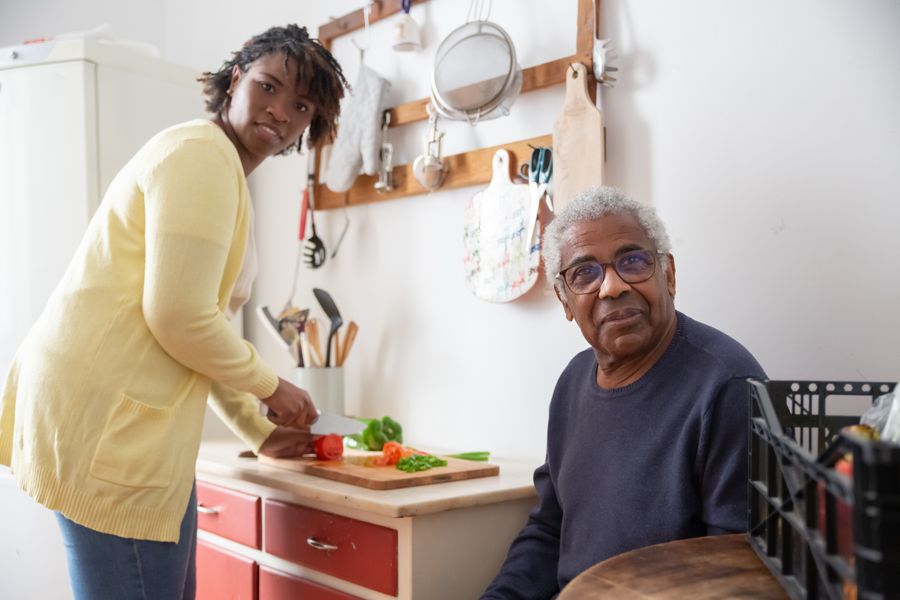
How care changes over time
- Early on: reminders, meal help, rides and company, while your parent stays as independent as possible
- As needs grow: help with washing and dressing, more supervision and keeping the home safe
- Later: more hands-on personal care, overnight care and support for the family as decisions get harder
Everyday safety at home
- Removing trip hazards and improving lighting
- Reducing wandering risks, and planning what to do if your parent goes missing
- Keeping stoves, medications and car keys in mind
- Keeping a consistent routine and writing it down
Help for family caregivers
You don't have to wait for a crisis. Regular respite care can let you work, sleep and take time for yourself. Tell us what time of day is hardest, and we'll plan around that.
Other local support
Your doctor can refer you to geriatric services, and Fraser Health can assess your parent for public supports through its Access Line at 1-855-412-2121. The Alzheimer Society of B.C. offers education and support for families.
Learn more about our dementia and Alzheimer's care.
Common questions
Can you help if my parent doesn't speak much English?
Yes. We offer Punjabi-speaking caregivers. Language can matter even more with dementia, since people often return to their first language. For other languages, ask us what's available.
Do I need a diagnosis to start?
No. If you've noticed memory changes, we can start with support at home. Please also talk to your parent's doctor, since other health problems can cause confusion too.